WHAT THE TRACY WAREHOUSE FIRE SHOULD TEACH EVERY CALIFORNIA PROPERTY OWNER
A million-square-foot warehouse burned to the ground after its sprinkler system — inspected and
signed off just months earlier — failed to activate. Here's what every commercial property owner
in California needs to take from it.
WHAT HAPPENED
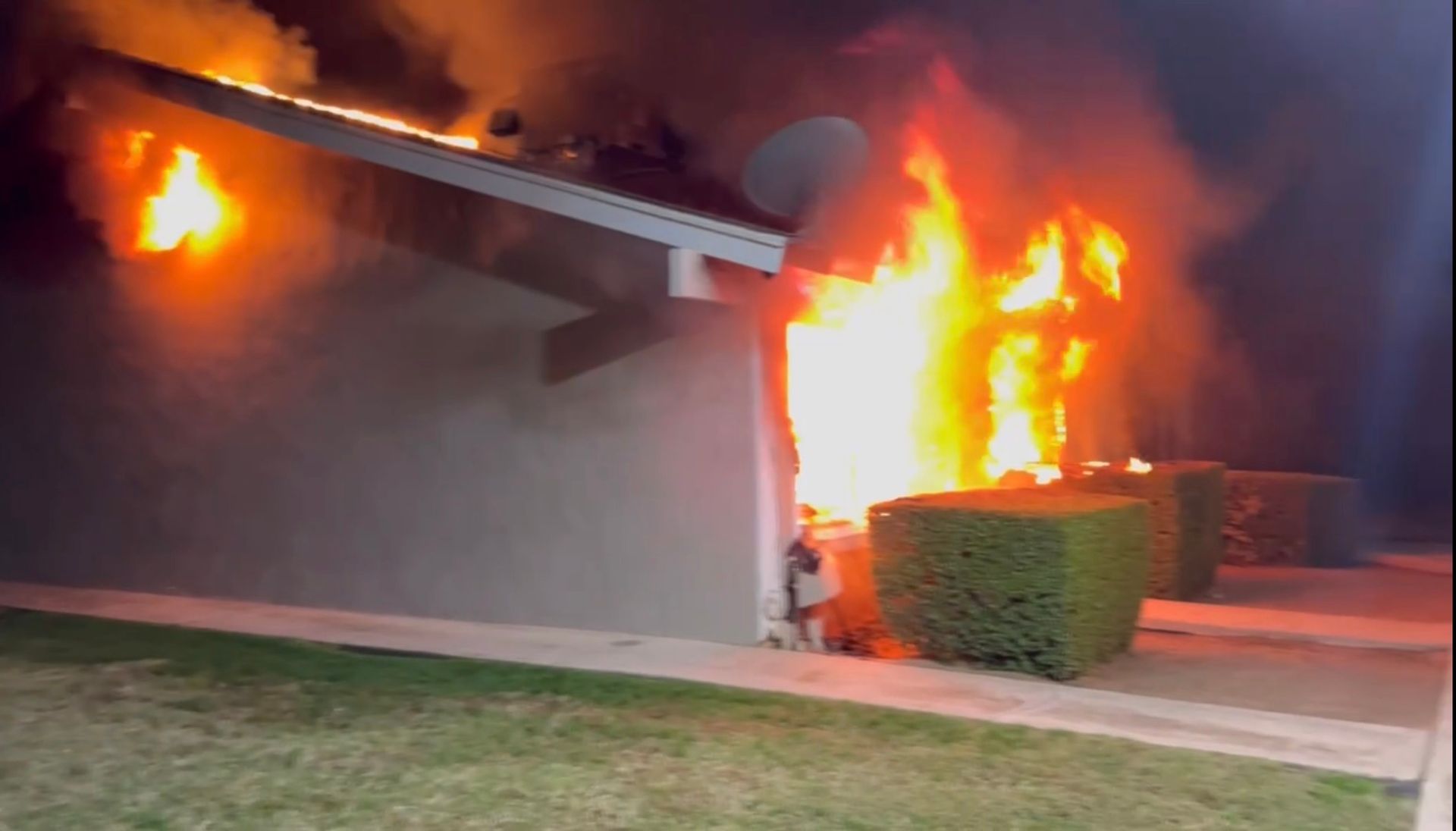
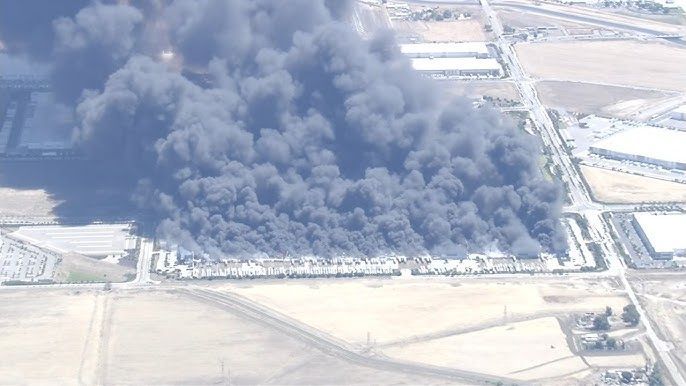
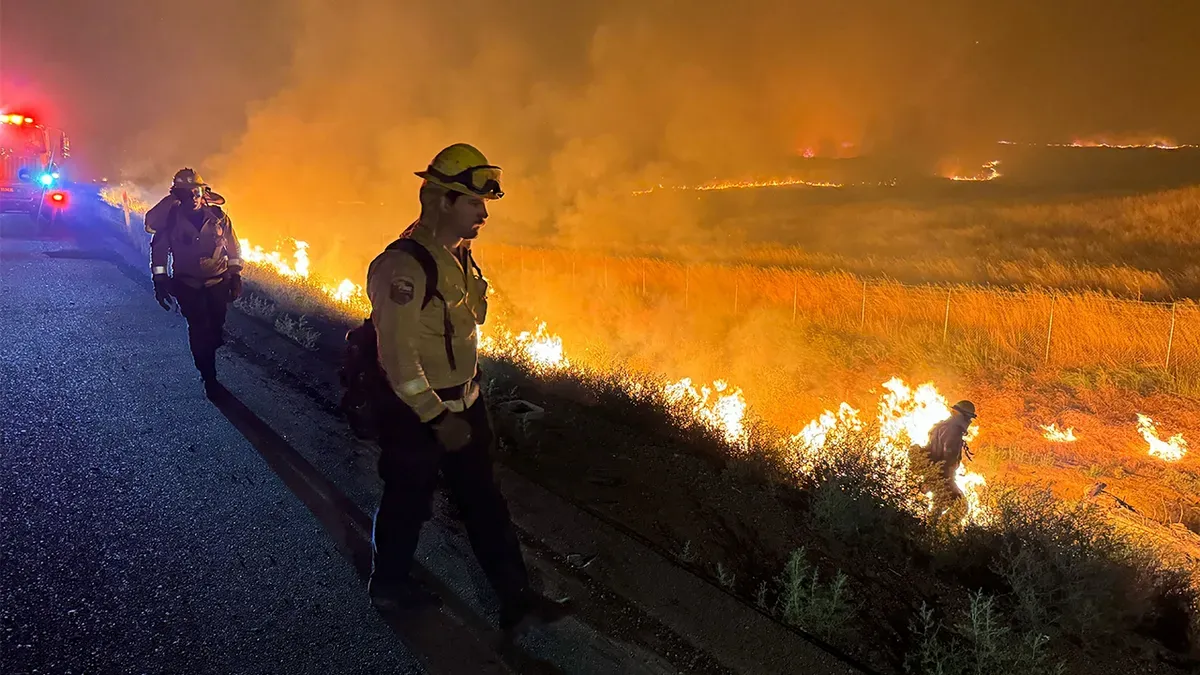
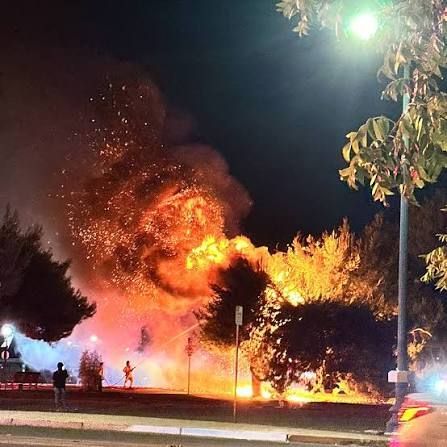
On June 11, 2026, a fire broke out at the Medline Industries distribution warehouse in Tracy,
California — a 1-million-square-foot facility supplying medical goods across Northern
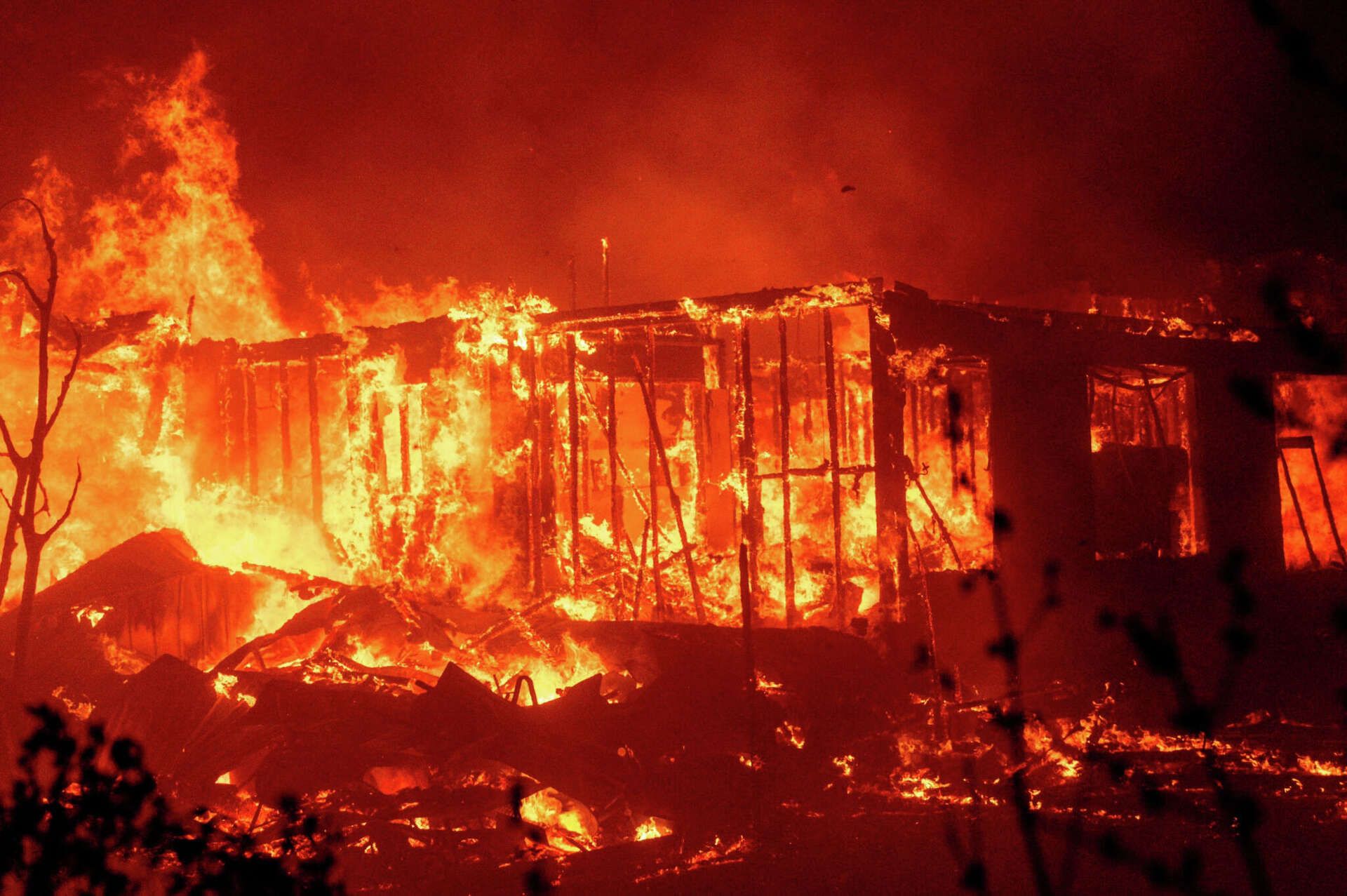
California. Within 40 minutes of fire crews arriving, the building was fully engulfed. By the time
the fire was contained more than 24 hours later, the warehouse was a total loss. Fire officials
called it one of the largest warehouse fires in U.S. history.
No injuries were reported — every employee evacuated safely before the fire intensified. But
the property loss was catastrophic, medical supply distribution across the region was
disrupted, and the buildings contents, including robotics equipment powered by lithium-ion
batteries, created hazardous combustion byproducts that triggered a regional air quality alert.
What makes this fire worth every property owner's attention isn't the size of the building. It's
what didn't happen when the fire broke out: the sprinkler system never activated.
THE DETAIL THAT SHOULD CONCERN EVERY BUILDING OWNER
According to the Tracy Fire Department, this warehouse's sprinkler system had been tested
and signed off just months earlier, in January. It passed inspection. On paper, the building
was compliant and protected.
When firefighters arrived, there was no indication the sprinklers had ever activated.
Investigators checked the fire pump room — the mechanical heart of the suppression system,
responsible for delivering water pressure to every sprinkler head in the building — and found
a pressure reading of zero.
A passed inspection tells you a system worked on the day it was tested. It does not
guarantee the system will work on the day it's needed.
Fire crews were also hampered by low water pressure and issues accessing water from
nearby hydrants, which slowed the initial response even further. Investigators are still working
to determine the root cause, but the sequence points to a hard truth: a documented, passed
inspection and a functioning fire suppression system are not always the same thing.
THREE TAKEAWAYS FOR PROPERTY OWNERS
1. Fire pumps need attention between inspections, not just during them.
A fire pump is a mechanical and electrical system with a lot that can go wrong quietly over
time: controller faults, power supply issues, a valve left in the wrong position, a jockey pump
failing to maintain pressure. NFPA 25 requires weekly and monthly fire pump checks for a
reason — an annual inspection alone leaves months of blind spots. If your facility has a fire
pump, ask your provider when it was last physically run and checked, not just when it was last
signed off.
2. Water supply is part of your fire protection system, whether you think
about it or not.
Low water pressure and hydrant access problems compounded the Tracy fire. Sprinklers are
only as effective as the water supply feeding them. Static and residual pressure tests,
backflow preventer checks, and coordination with your local water authority are not optional
line items — they're the difference between a contained incident and a total loss.
3. "We passed our last inspection" is a compliance answer, not a safety
answer.
Passing an inspection means a system met code on a specific date. It doesn't account for a
valve someone closed and forgot to reopen, a pump that's since developed a fault, or storage
changes that have outpaced your system's design. Facilities with high fuel loads, dense
storage, or equipment like lithium-ion battery-powered machinery — as was present in the
Tracy warehouse — carry risk that can outgrow what the system was originally designed to
handle.
WHAT THIS MEANS FOR YOUR BUILDING
You don't need a million-square-foot warehouse for this lesson to apply. Any commercial
property with a wet, dry, or pre-action sprinkler system and a fire pump is relying on
components that need to be verified far more often than once a year. A few questions worth
asking this month:
● When was our fire pump last physically tested — not just inspected on paper?
● Do we know our current static and residual water pressure, and has it changed?
● Has anything changed in what we store or how we store it since our system was
designed?
● Who is actually reviewing our inspection reports for red flags, not just filing them?
If you don't have confident answers
HOW LOS PADRES FIRE PROTECTION HELPS
Los Padres Fire Protection has served California property owners since 1986 with a focus
that goes beyond checking the compliance box. Our inspections include real fire pump
performance verification, water supply testing, and clear reporting that flags developing
issues before they become failures. We believe a passed inspection should mean your
system is actually ready — not just that it was ready the day we were there.
If it's been a while since your fire pump was physically tested, or you're not sure when your
last water supply test was performed, reach out to our team. A conversation now costs
nothing. Finding out the hard way costs everything.