What Can You Grab in 2 Minutes
In a Home Fire, You May Have Two Minutes to Get Out.
Do You Know What to Do With Them?
Home fire safety Los Padres Fire Protection
Picture it: you’re asleep, and the smoke alarm goes off. How long do you think you have to get everyone out of the house?
Most people guess ten minutes. Fifteen. Enough time to grab a few things, wake the kids, and figure it out on the way.
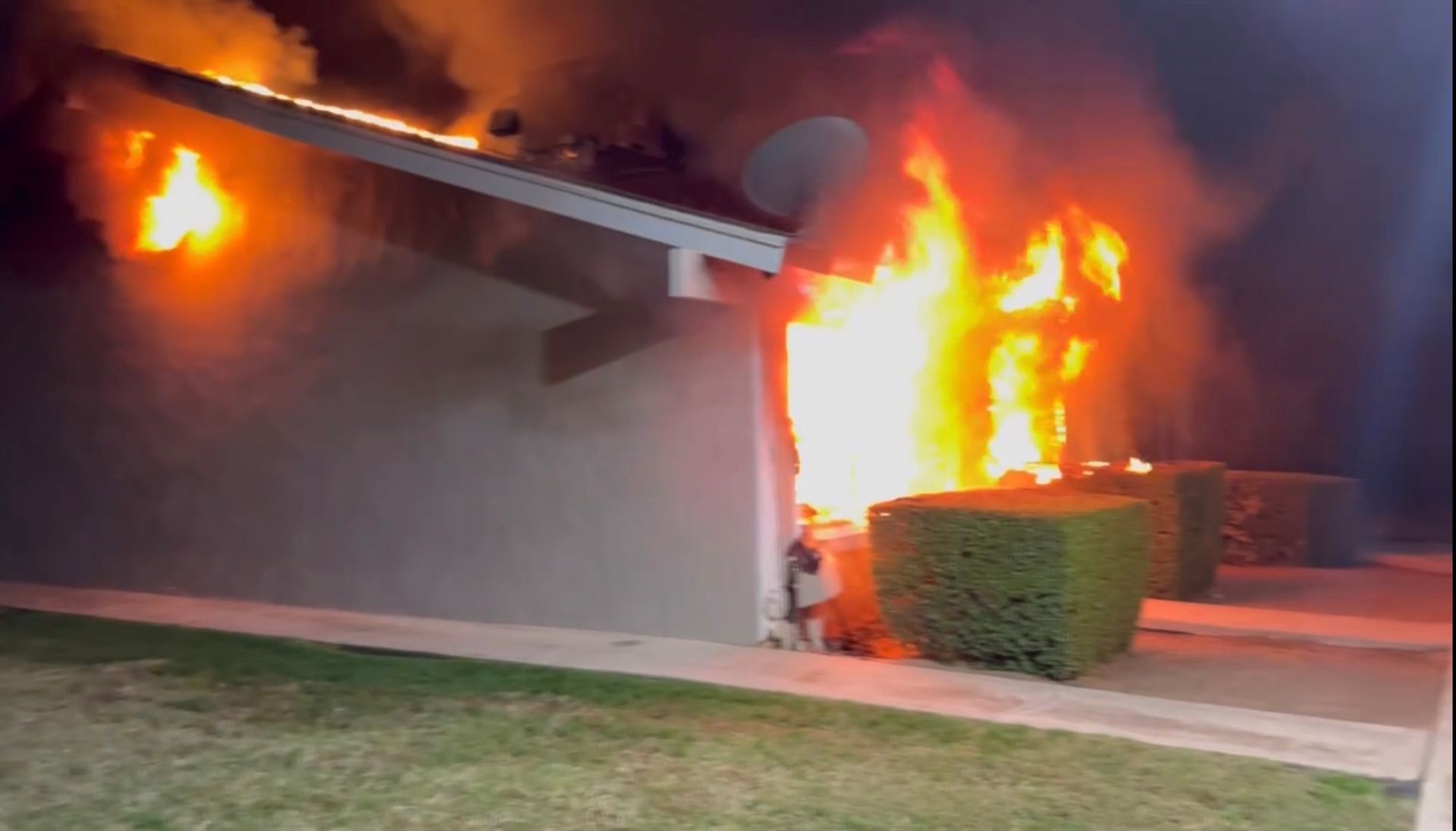
The real answer is unsettling. Fire can spread through a home so fast that you may have as little as one or two minutes to escape safely once the smoke alarm sounds. Not fifteen. Not ten. Two.
The good news — and the reason we’re writing this — is that two minutes is enough time to get out safely if you know exactly what to do with them. The families who make it out calmly are almost never the ones who were faster or braver. They’re the ones who had a plan and had practiced it. This is how you become one of them.
Why the Window Keeps Shrinking
If two minutes sounds shorter than it used to be, that’s because it is.
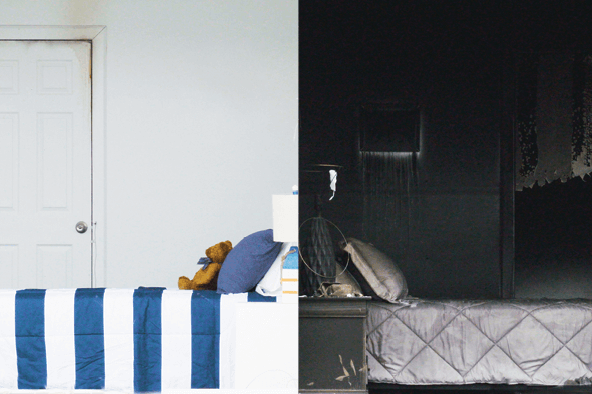
Researchers at UL — the safety-science organization behind a great deal of the fire testing you’ve never seen — ran a now-famous set of experiments comparing a room furnished the way homes were a generation or two ago against a room furnished the way homes are today. A generation ago, families had roughly 17 minutes to escape a house fire. Today that number is down to about three.
HOW FAST THE WINDOW HAS CLOSED
A generation ago: about 17 minutes to escape a house fire.
Today: about 3 minutes.
Source: UL fire-research testing on modern vs. legacy home furnishings.
The culprit isn’t that fires are hotter by magic. It’s what’s inside our homes. Older furniture was built with natural materials like cotton, wool, and solid wood, which burn relatively slowly. Modern sofas, mattresses, carpets, and curtains are largely synthetic — and synthetic materials ignite faster, burn hotter, and release far more toxic smoke. Man-made foams and fabrics can reach flashover— the moment a room’s contents ignite all at once — several times faster than cotton and wood.
Add in today’s open floor plans, which let smoke and flame travel freely instead of being slowed by walls and doors, and you have a fire that moves faster than most people can believe. You didn’t do anything wrong by furnishing a normal home. But it does mean the old assumptions about “plenty of time” are dangerously out of date.
The Plan That Fits on One Page
Here’s the relief part. A home fire escape plan isn’t complicated, and you can build one this weekend.
Walk through your home with everyone who lives there and sketch a simple floor plan. For each room, mark two ways out — usually a door and a window. A second exit matters because in a real fire, the first one is often the one you can’t use.
Pick one outside meeting place a safe distance from the house: a mailbox, a light post, the neighbor’s front tree — something that doesn’t move. Everyone goes there and stays there, so you know within seconds whether anyone is still inside.
Make sure your house number is clearly visible from the street, day or night. Firefighters can’t help a home they can’t find.
And teach every capable person in the house to get out on their own, in case the adults can’t reach them. For infants, older adults, or anyone with mobility needs, assign a specific person to help them — and a backup person too.
A Plan You Haven’t Practiced Is Just a Drawing
This is the step almost everyone skips, and it’s the one that saves lives. Practice the plan at least twice a year — once in daylight, once at night — because a dark, smoke-filled house feels nothing like the one you walk through every day.
Drill the details until they’re automatic. Get low and go under the smoke, since the cleanest air is near the floor. Close doors behind you as you leave — a closed door can dramatically slow the spread of heat and smoke and buy precious time. And the rule that never changes once you’re out, stay out. If someone’s missing, tell the firefighters. Never go back in.
A Few Things That Buy You Time
Your smoke alarm is your entire early-warning system, so it has to work. Test alarms monthly, replace the batteries when they chirp, and replace the whole unit if it’s more than ten years old. Interconnected alarms — where one sounding sets them all off — give everyone in the house that warning at the same moment.
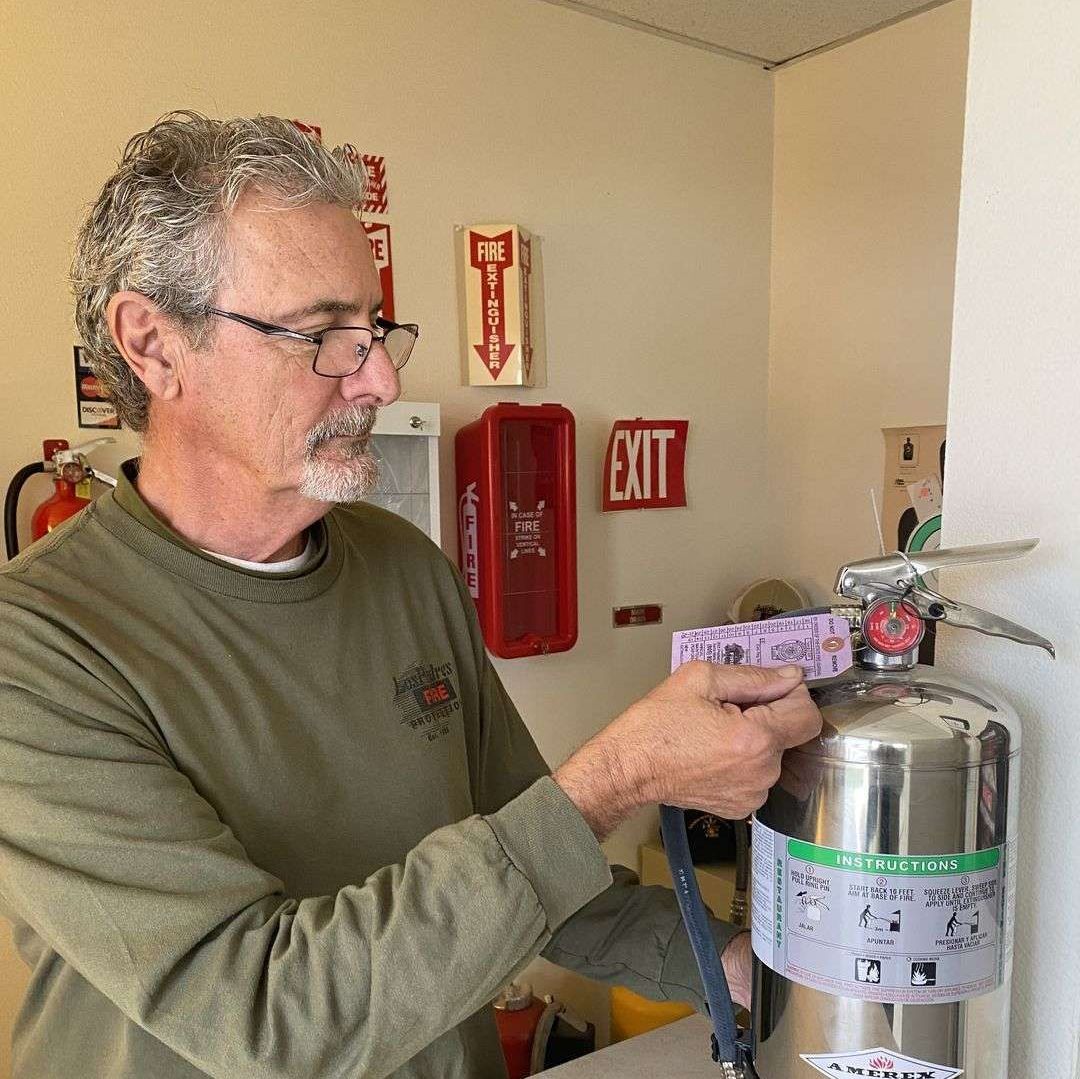
Beyond early warning, some homes have a second line of defense that actively fights the fire instead of just announcing it. Residential fire sprinklers respond right at the source, often knocking a fire down before it ever reaches flashover — turning that shrinking escape window back into a survivable one. And a properly maintained fire extinguisher, kept where kitchen fires start, can stop a small fire before it ever becomes a two-minute emergency.
Where We Come In
At Los Padres Fire Protection, we’ve spent nearly four decades inspecting, testing, and maintaining the water-based systems that protect Central Coast homes and buildings — fire sprinklers, suppression systems, and extinguishers. We can’t practice your escape drill for you, but we can make sure the equipment meant to buy your family time is ready to do its job when seconds count.
Because when the alarm sounds, you won’t have time to plan. You’ll only have time to move.
Los Padres Fire Protection has served California’s Central Coast since 1986. To have your fire sprinklers, suppression systems, or extinguishers inspected and tested, reach us at 805.928.4628 or lospadresfirepro.com.