LPFP Wild Fire Readiness
LOS PADRES FIRE PROTECTION INSIGHTS
When the Hills Turn Gold: Getting Ready for Peak Wildfire Season
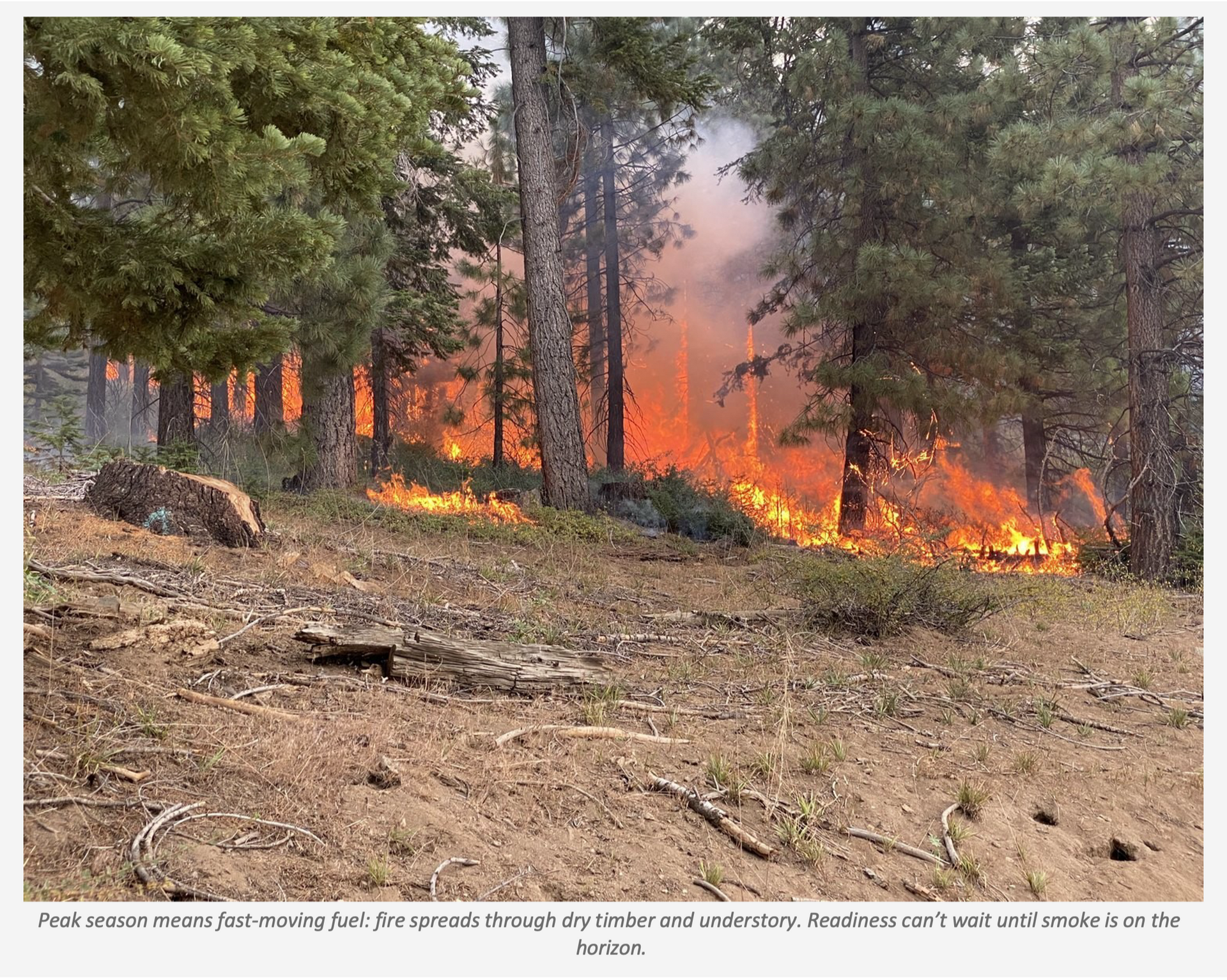
Where the 2026 season stands — and how to make sure your fire protection is ready when it counts.
Every summer, the hills across California’s Central Coast trade their green for gold. It’s a beautiful, familiar sight — and to a fire professional, it’s also a warning. That golden grass is dry fuel, and by late July it’s ready to carry fire fast. We’re now entering the stretch of the year that historically does the most damage, which makes this the right moment to ask a simple question: if fire came close to your property, would your own protection be ready?
WHERE THE 2026 SEASON STANDS
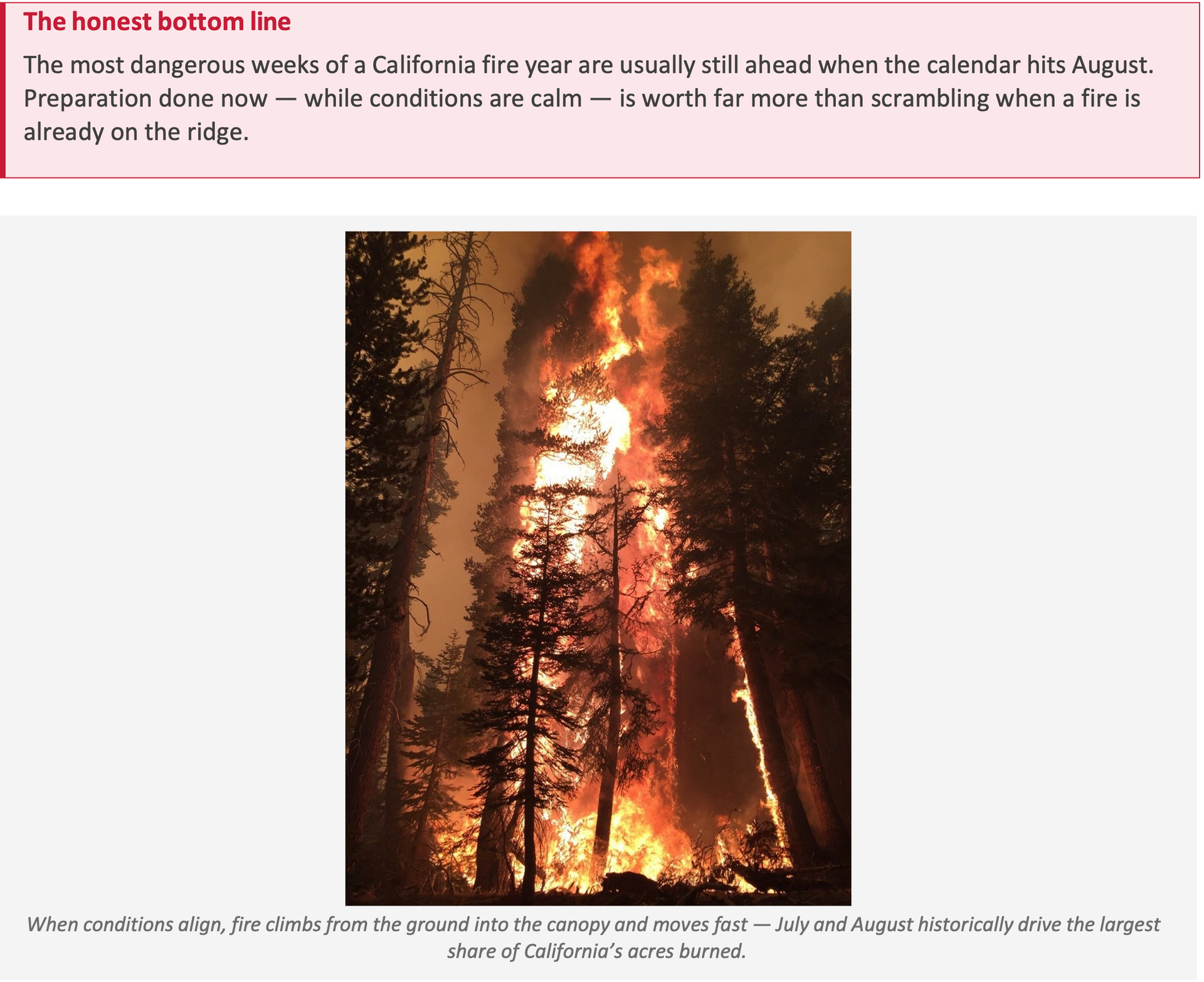
California got off to a comparatively slow start this year, but the picture has been shifting. As of mid-2026, state and federal agencies had tracked well over 1,700 wildfires across California, burning on the order of 54,000 acres — and those are running totals that climb as summer peaks. Forecasters have pointed to above-normal fire potential across much of the West and interior California heading into August, the two months that typically account for the largest share of acres burned.
There is a bit of good news for those of us near the coast: onshore ocean flow tends to give coastal areas periodic relief —cooler, moister air that slows fire behavior. But that same relief often stops short of the drier inland valleys and higher elevations of our service area, where fuels keep curing through the summer. In other words, geography helps some, but it is not a plan.
Wildfire readiness isn’t one thing — it’s two jobs that work together. Understanding the difference helps you spend your time and money where they actually matter.
Layer 1 — Keeping fire away from your structure
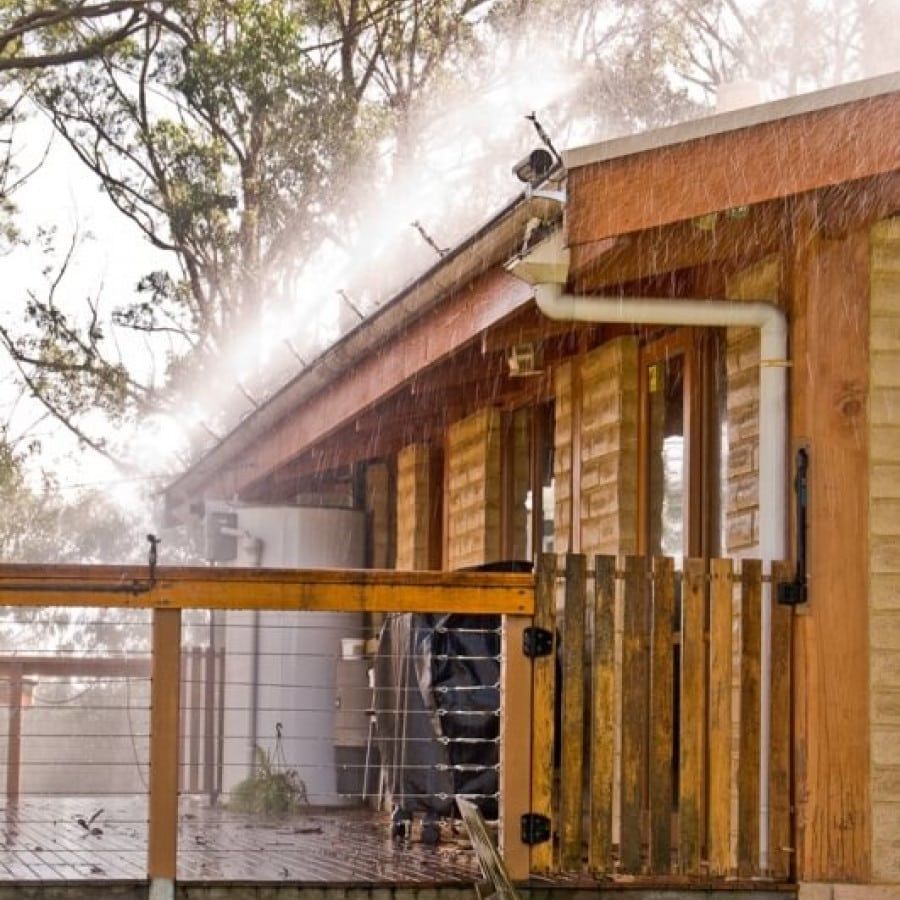
This is the work that happens outside your walls, and it is largely a property-owner responsibility. CAL FIRE organizes itinto defensible-space zones: an ember-resistant Zone 0 in the first 5 feet around the structure, a “lean and green” Zone 1 out to 30 feet, and a reduced-fuel Zone 2- 30 feet-100 feet.
Hardening the building itself — ember-resistant vents, clean gutters, and clear roof valleys — matters just as much. CAL FIRE’s free Ready for Wildfire program walks homeowners through all of it.
Los Padres Fire Protection does not do landscaping or vegetation clearing — but we’d be doing you a disservice not to point you toward this step, because it is the single biggest factor in whether a structure survives.
Layer 2 — Being ready for fire that reaches or starts at your structure
This is where we live. Fire season is also peak season for all fire risk — more heat, more power strain, more outdoor activity, and windblown embers that can travel a mile or more ahead of a fire and land in a vent, on a deck, or inside an open structure. When ignition happens on or near your property, the tools that respond in those first seconds are the fire protection you already own: your extinguishers and, if you have them, your sprinkler and suppression systems. They only help if they’ve been maintained and are ready to work.
DON’T OVERLOOK THE EMBER PROBLEM
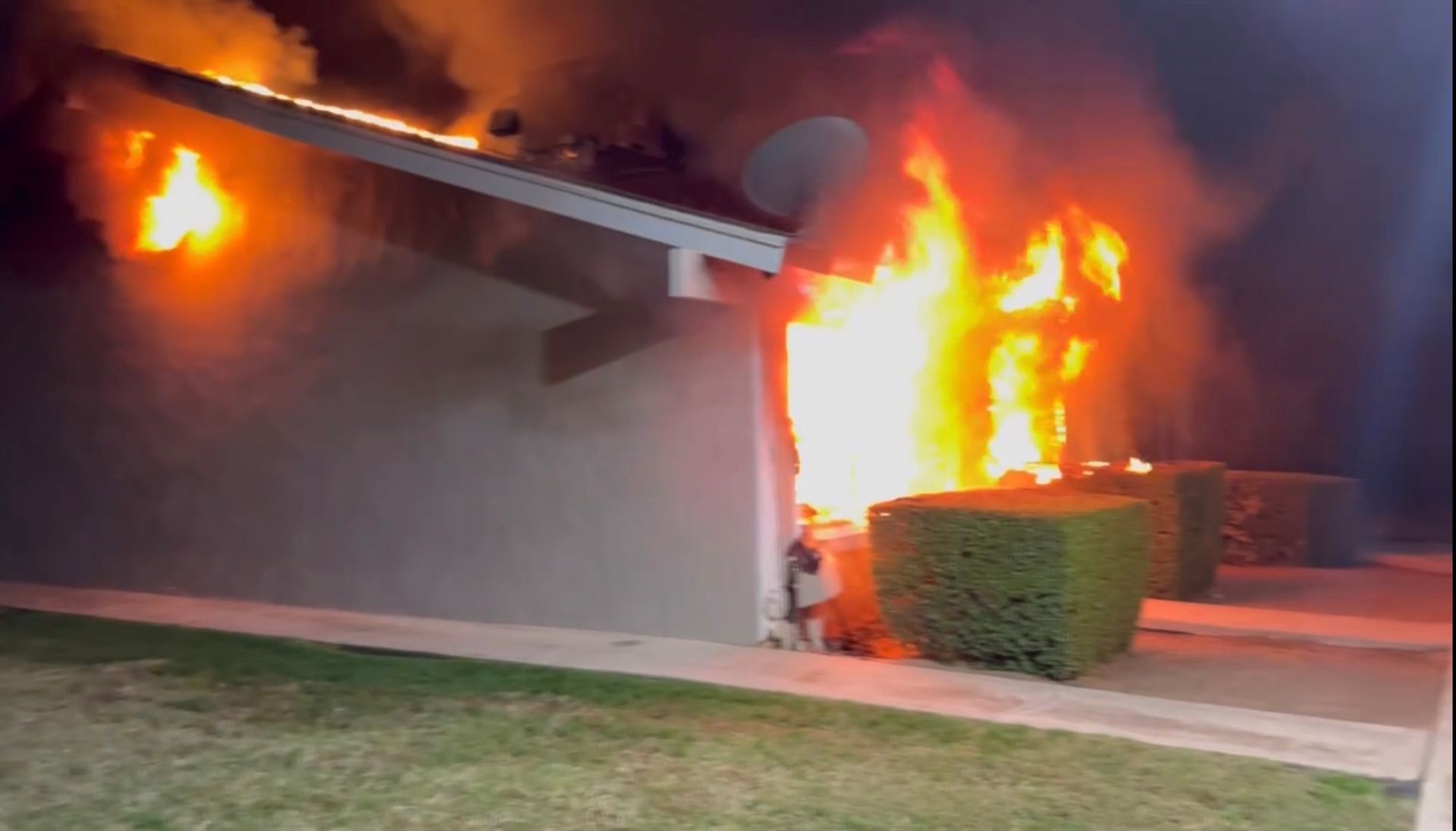
People picture wildfire as a wall of flame, but most structures that ignite during a wildfire are lost to embers — showers of burning material carried on the wind, often well ahead of the fire front. An ember that finds dry leaves in a gutter, a woodpile against a wall, or an unscreened vent can start a small fire that grows while attention is elsewhere.
That’s exactly the kind of small, early ignition a charged, accessible fire extinguisher is built for — and why a maintained interior sprinkler system earns its keep. Neither one is designed to hold back an advancing wildfire, and we’ll always bestraight with you about that. But for the ember-driven spot fire, being ready in the first minute is everything.
YOUR SEASON-READY CHECKLIST
A quick run-through you can do this month. We’ve marked which items are do-it-yourself and which are worth a professional:
• Clear the first five feet. Move woodpiles, door mats, and dead plants away from the structure; sweep leaves and needles from gutters, roofs, and decks. (DIY)
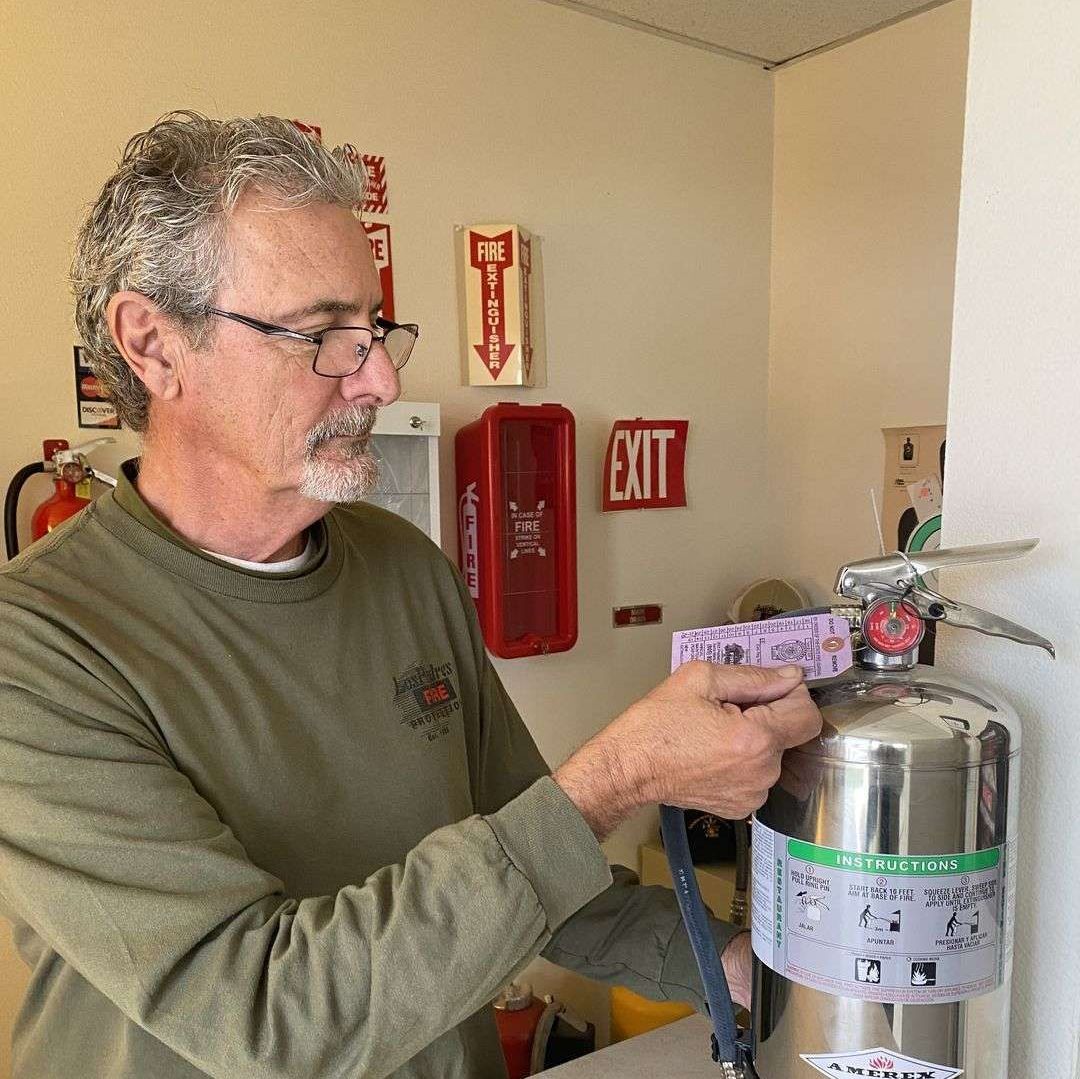
• Check every extinguisher. Gauge in the green, pin and seal intact, nozzle clear, and service tag current. Make sure they’re mounted where you can actually reach them. (DIY check — service/recharge by a professional)
• Confirm your sprinkler system is current on inspection. If you have a water-based system, make sure its testing andmaintenance is up to date and its water supply and valves are in working order. (Professional)
• Screen your vents. Ember-resistant metal mesh over attic and crawl space vents is one of the highest-value hardening steps. (DIY or contractor)
• Make an evacuation plan. Two ways out, a meeting point, a go-bag, and a plan for pets and important documents. (DIY)
• Sign up for alerts. Register for your county’s emergency notifications and use a wildfire-tracking app so warnings reach you early. (DIY)
Wildfire season on the Central Coast isn’t a reason to panic — it’s a reason to prepare while things are calm. Handle the landscape and hardening work outside, and make sure the fire protection inside and around your building is tested, charged,and ready. Those two layers, done ahead of time, are what turn a frightening season into a manageable one.
Los Padres Fire Protection has served this coast since 1986. We can’t clear your brush — but we can make sure yourextinguishers and water-based systems are inspected, serviced, and ready long before you ever need them. Call us at 805.928.4628 or visit lospadresfirepro.com to get your fire protection season-ready.
“Out here, fire season isn’t abstract — it’s the hills right outside our windows. We can’t control the weather, but we can make sure that when a family or a business needs their fire protection to work, it works. That’s the whole job, and we take it personally.”
— Stacy Coppo, Owner, Los Padres Fire Protection