3 Minutes is all You have
Tonight before you fall asleep
3 MINUTES IS ALL YOU HAVE
The 10-Second Habit That Could Save Your Family's Life
Every night, most of us go through the same routine before bed: brush our teeth, set an alarm, maybe check the locks. But fire researchers say there's one more step that belongs on that list, and it costs nothing, takes ten seconds, and could be the difference between life and death: closing your bedroom door.
It sounds almost too simple to matter. But a decade of full-scale fire experiments has shown that a closed door does something a smoke alarm alone cannot: it buys you time.
WHY THIS MATTERS MORE THAN EVER
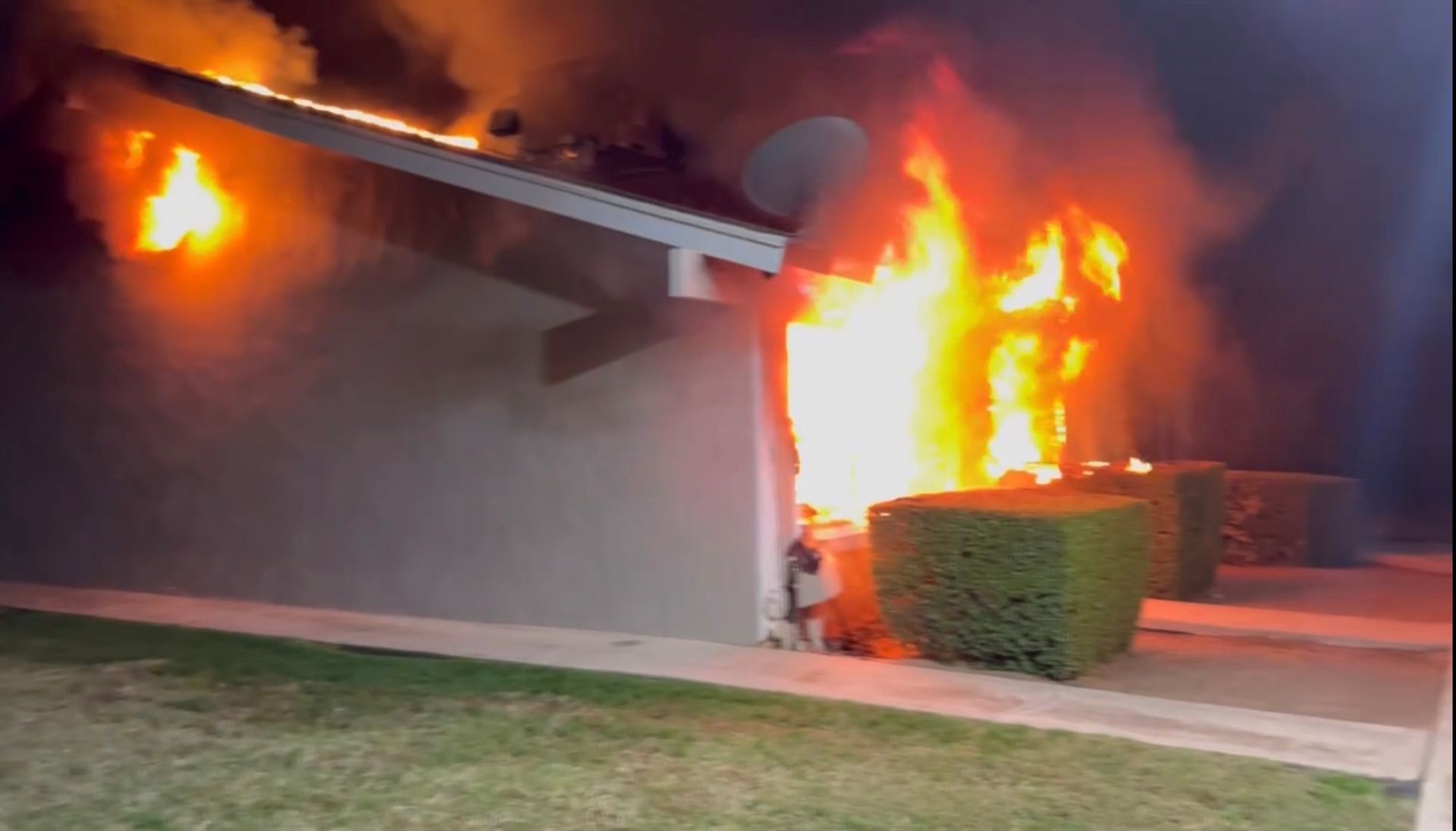
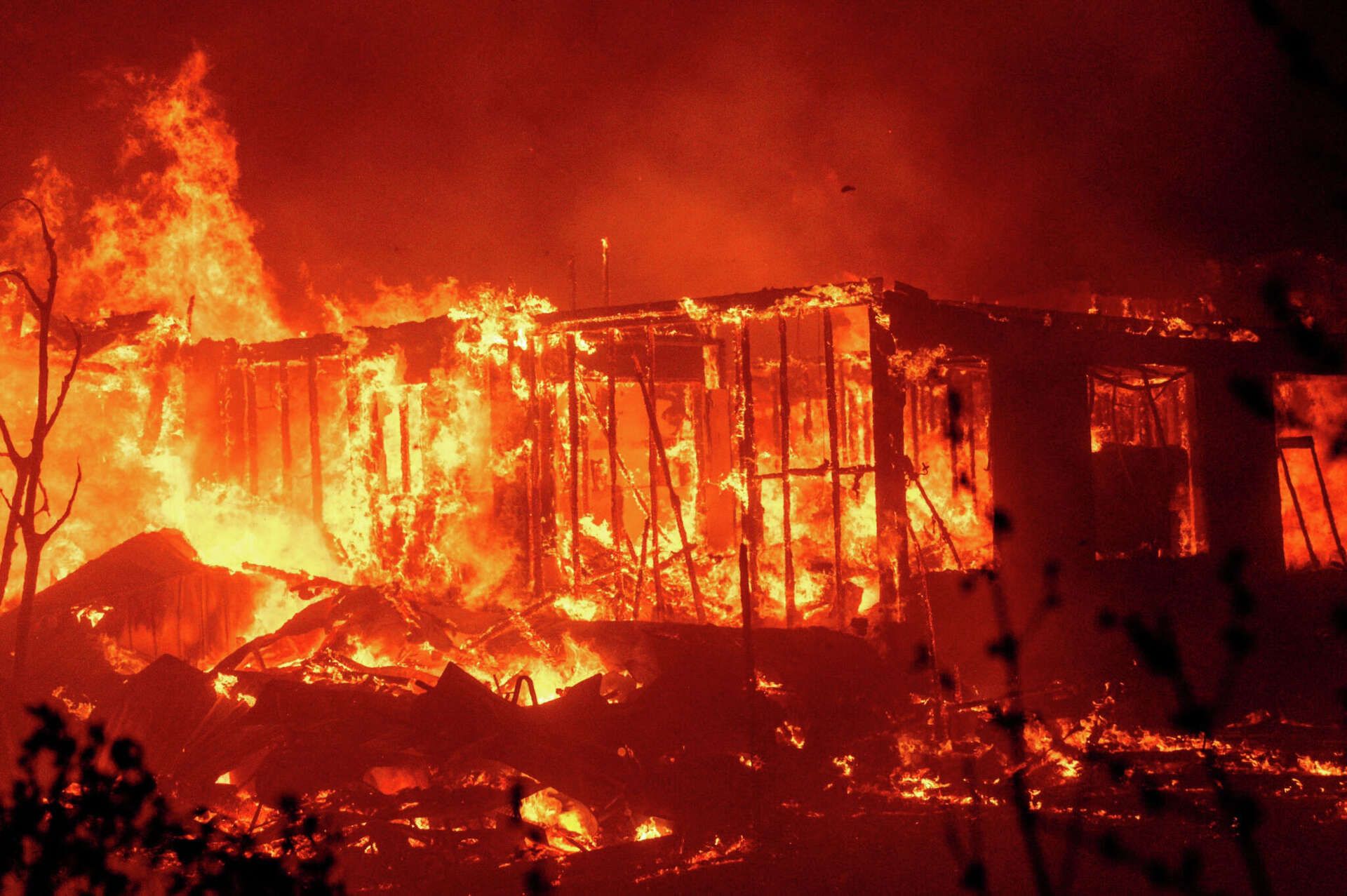
Homes today are not built or furnished the way they were a generation ago. Synthetic materials, open floor plans, and lightweight construction all help a fire spread faster than older homes with solid wood furniture and natural fibers ever did. Fire safety researchers now estimate that residents may have under three minutes to escape a home fire, down from roughly 17 minutes decades ago.
3 MINUTES
Average escape time in a modern home fire today, versus roughly 17 minutes decades ago
That shrinking window is exactly why the “Close Before You Doze” campaign exists. It was developed by the UL Firefighter Safety Research Institute (UL FSRI) after years of testing how fire actually behaves in real homes, not just in theory.
WHAT THE RESEARCH FOUND
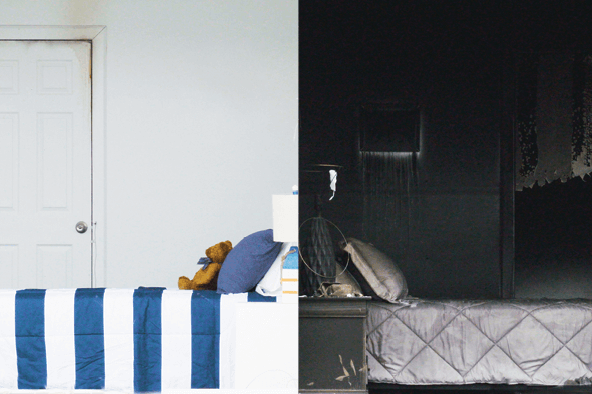
In UL FSRI's testing, researchers set matching bedrooms on fire under controlled conditions, one with the door left open and one with the door closed, and tracked the results with thermal cameras and gas sensors. The difference was dramatic.
100°F vs. 1,000°F+
Average temperature in a closed-door bedroom versus an open-door bedroom during a home fire
100 PPM vs. 10,000 PPM
Carbon monoxide levels behind a closed door versus an open door during the same fire
Steve Kerber, Executive Director of the Fire Safety Research Institute, has said the advice is simple: sleep with your bedroom door closed. If a fire starts while you're asleep, there may be no time to act, and the door itself becomes your first line of defense.
The National Fire Protection Association's own data backs this up in a different way. Only about one in five home fires is reported between 11 p.m. and 7 a.m., yet those overnight hours account for roughly half of all home fire deaths. In other words, fires that happen while we're asleep, when we're least able to react quickly, are disproportionately deadly.
IT'S ALREADY SAVING LIVES
This isn't just a lab result. Fire departments across the country have started crediting the practice with real outcomes. Earlier this year, the Porterville Fire Department in California pointed to a rescue where firefighters found an unconscious woman in a smoke-filled bedroom, her door closed. That closed door held back enough heat and smoke to keep the room survivable until crews reached her.
Fire Chief Bryan Cogburn summed up why departments are pushing this message so hard: closing your door slows the spread of fire, keeps the temperature behind it survivable, and keeps toxic smoke out long enough for firefighters to get to you.
WHAT TO DO TONIGHT
A few simple habits, done consistently, make the biggest difference:
• Close every bedroom door before you go to sleep, every night, even if it feels unnecessary.
• Make sure every level of your home has a working smoke alarm, including inside and outside sleeping areas.
• Test smoke alarms monthly and replace batteries at least once a year.
• Build a home escape plan with two ways out of every room and practice it with your whole family.
• If you wake up to an alarm, feel the door before opening it. If it's warm, use your second way out instead.
• If you must leave a room during a fire, close the door behind you on your way out. It can help slow the fire's growth.
THE BOTTOM LINE
“Close Before You Doze” isn't a slogan; it's the result of real experiments showing that a shut door can mean the difference between a survivable room and one that isn't. It costs nothing, takes only a few seconds, and it's one of the easiest fire safety habits any household can adopt.
At Los Padres Fire Protection, we spend our days making sure the fire protection systems in your building work when they're needed most. But some of the most effective fire safety habits happen at home, and this is one we want every family in our community to know about. Tonight, before you turn off the lights, close the door.
Sources: UL Firefighter Safety Research Institute (Close Before You Doze); National Fire Protection Association (NFPA) home fire statistics; Porterville Fire Department, CA.